
← Knowledge Base
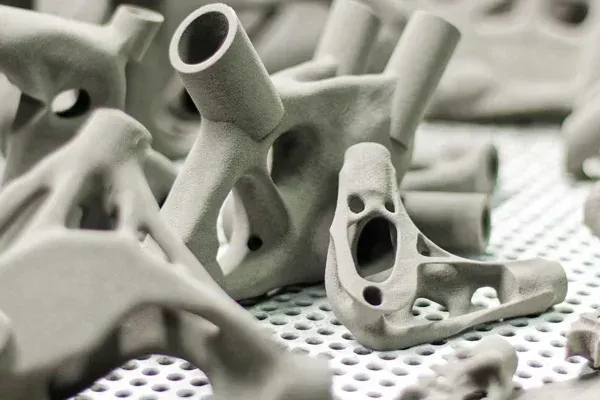
Selecting the Right Rapid Prototyping Method: A Technical Guide to Additive Manufacturing Technologies
This technical guide compares leading rapid prototyping technologies to help engineers and designers choose the right additive manufacturing method based on accuracy, materials, complexity and cost.
Published 2026-02-12
What's inside
- Stereolithography (SLA): High-Resolution Photopolymerization
- Selective Laser Sintering (SLS): Durable Functional Prototypes
- Direct Metal Laser Sintering (DMLS): High-Strength Metal Prototypes
- Fused Deposition Modeling (FDM): Cost-Effective Layer Extrusion
- Multi-Jet Fusion (MJF): Rapid, Colorful, and Functional Prototypes
- PolyJet Technology: Multi-Material, Multi-Color, High-Resolution Printing
- Computer Numerical Control (CNC) Machining: Subtractive Precision and Strength
- Injection Molding: High Volume Production of Prototypes and Small Batches
- Conclusion
Who it's for
- Engineers evaluating prototyping options
- Product designers selecting manufacturing methods
- Developers seeking to reduce time-to-market
- Teams choosing between additive and traditional processes
About this resource
This guide analyzes the most prominent rapid prototyping technologies, explaining their principles, material compatibilities, process intricacies and ideal applications. It covers additive methods such as SLA, SLS, DMLS, FDM, MJF and PolyJet, alongside subtractive CNC machining and injection molding, helping teams align design requirements with the optimal fabrication approach.
Selecting the Right Rapid Prototyping Method: A Technical Guide to Additive Manufacturing TechnologiesGuide · FreeDownload PDF