
3D Printing
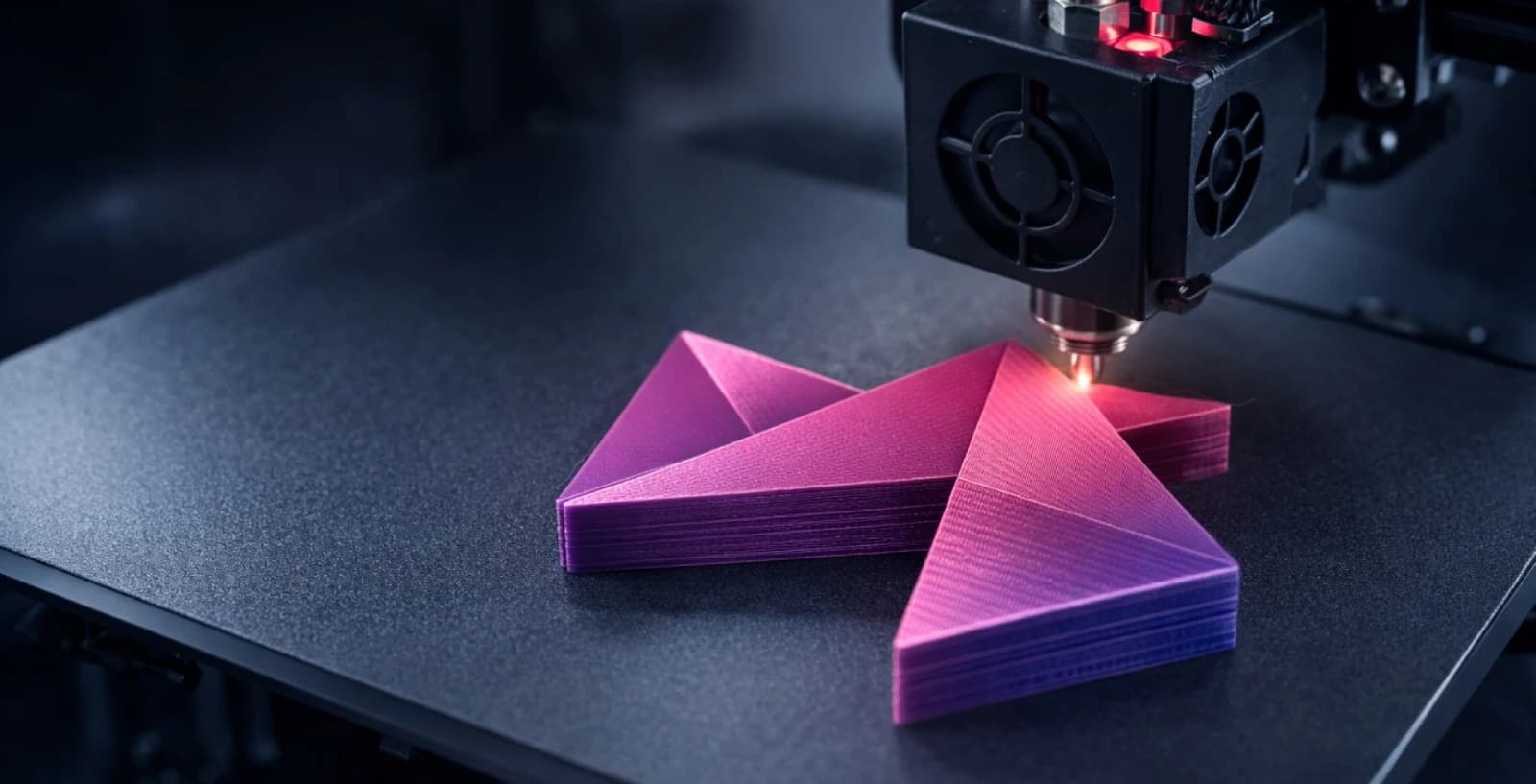
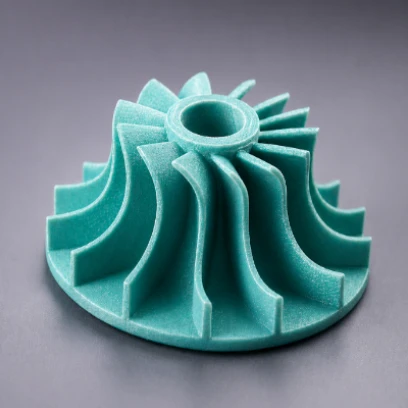
3D printing (additive manufacturing) builds parts layer by layer from a digital design file. Material is added rather than removed, making the process suitable for complex geometries that would be difficult or expensive to machine. Multiple 3D printing processes are available, each with different material types, accuracy levels, and cost profiles.
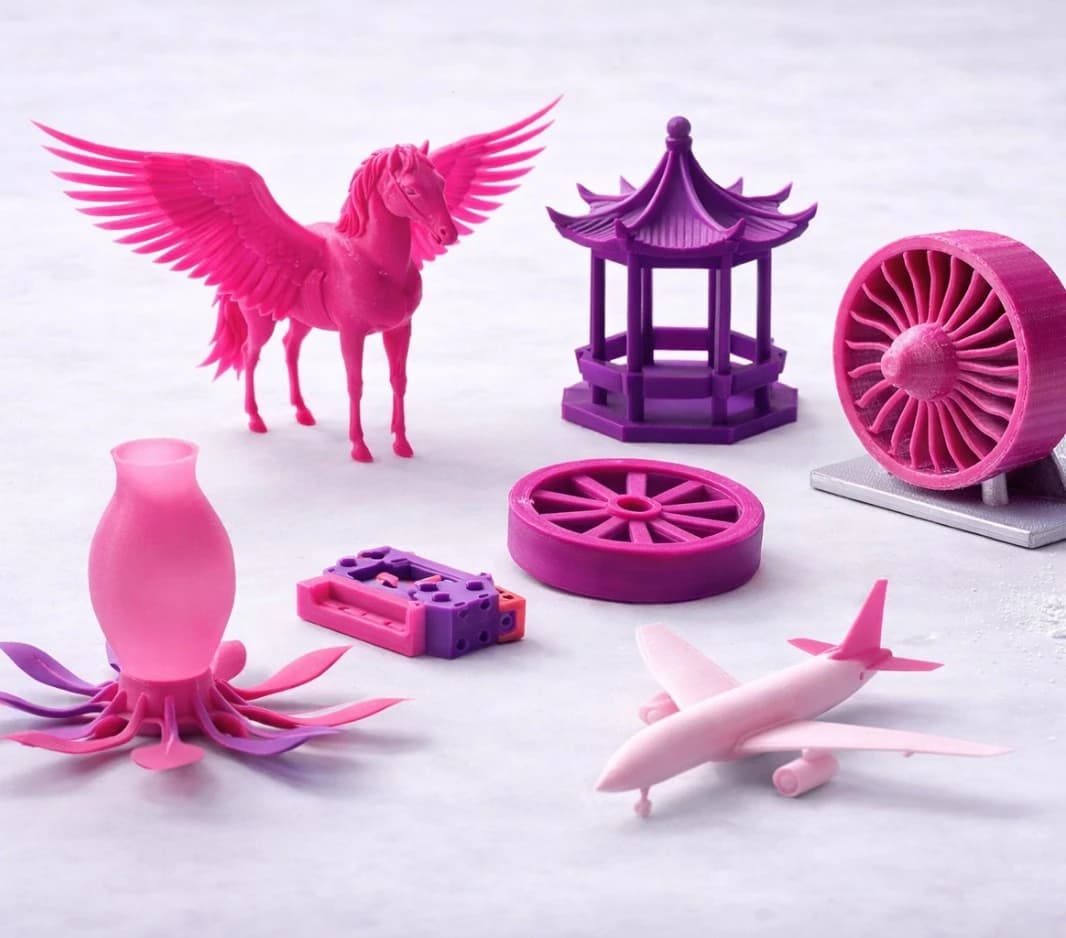
NICE Rapid operates SLA, SLS, FDM, and metal 3D printing in-house. The right process depends on your part requirements, lead time, and end-use application.
What Sets Us Apart
Engineering-Led Manufacturing

Four 3D printing processes in-house
SLA, SLS, FDM, and metal 3D printing managed under one roof.

Fast turnaround
Lead times from 1–2 business days on FDM and SLA; 5–10 days on metal 3D printing.

Material range
30+ options across all four processes, including biocompatible and high-temperature grades.

No minimum order
From a single prototype to hundreds of parts. Full inspection documentation available on request.
Our 3D Printing Capabilities
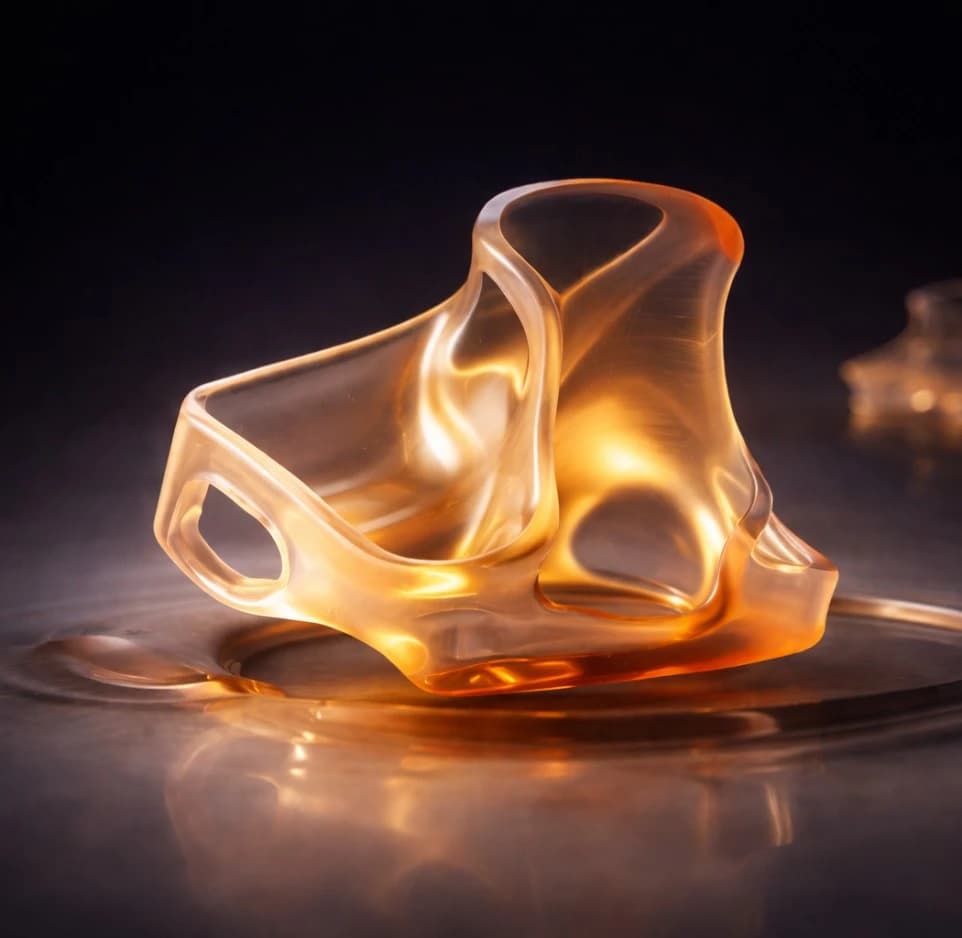
SLA: Stereolithography
A UV laser cures liquid photopolymer resin layer-by-layer. Produces high-resolution parts with smooth surface finish and fine detail. Suitable for visual models, fit checks, and early-stage parts where surface finish is critical.
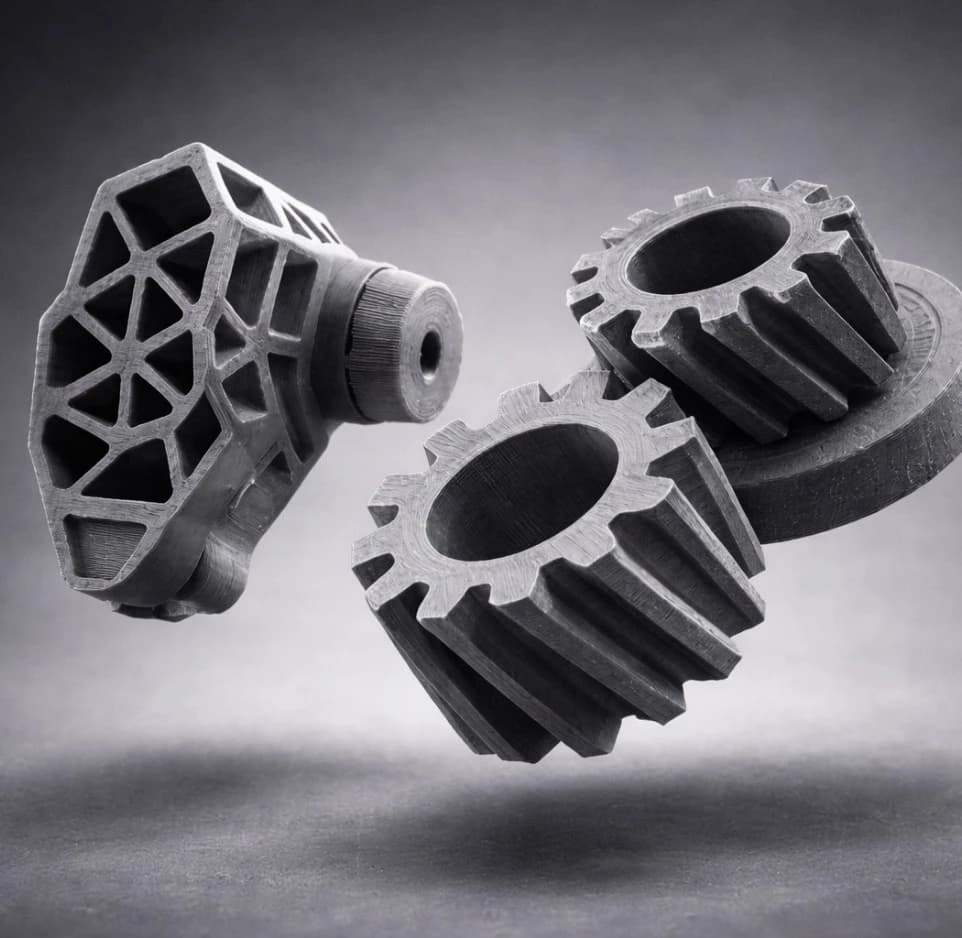
SLS: Selective Laser Sintering
A laser sinters nylon powder to build parts without support structures. Produces durable, functional parts with complex geometries and good mechanical properties. Suitable for assemblies, living hinges, and end-use components.
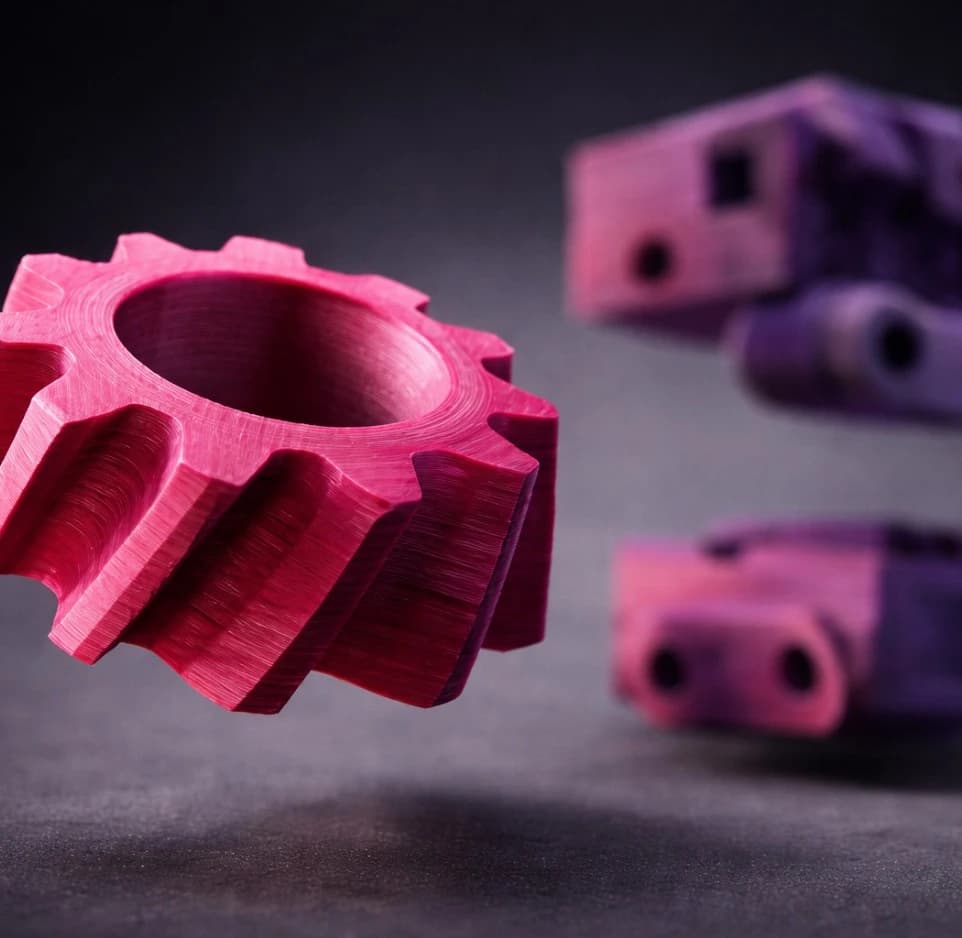
FDM: Fused Deposition Modeling
Thermoplastic filament is melted and deposited layer by layer. The most cost-effective option for concept models and early iterations. Suitable for large parts, assembly checks, and designs where surface finish is not critical.
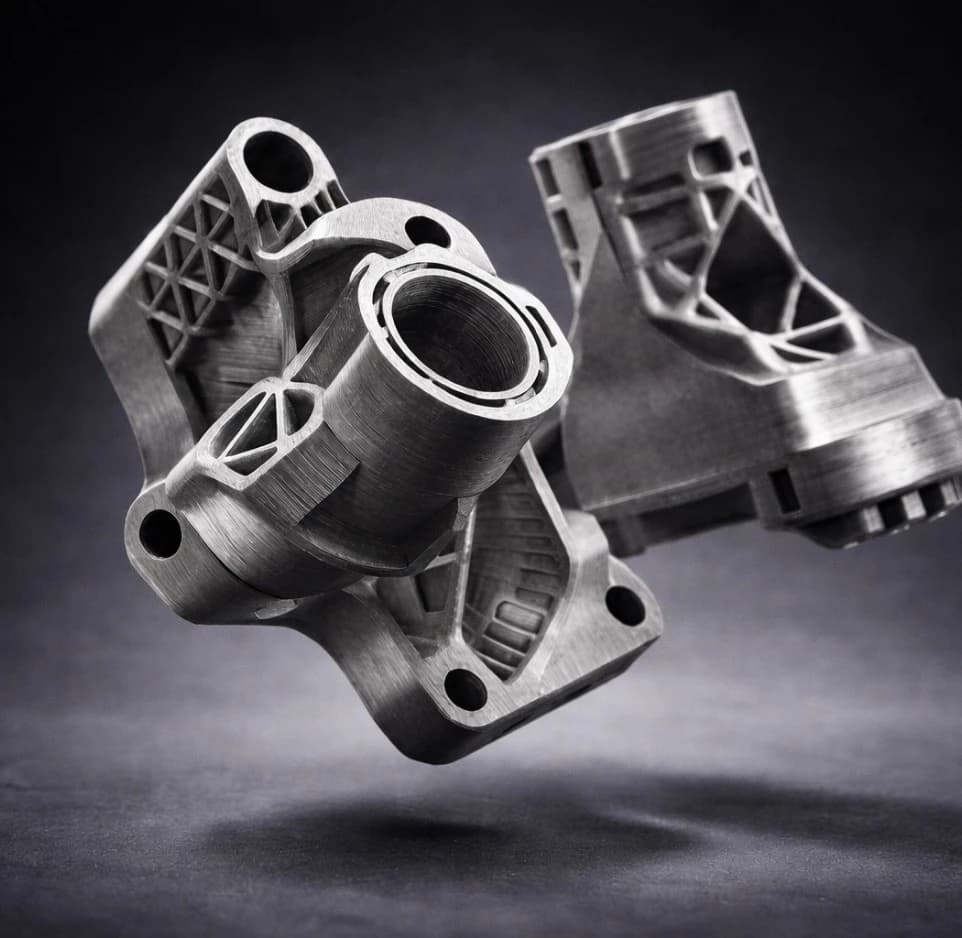
Metal 3D Printing: DMLS / SLM
A high-power laser fuses metal powder to produce fully dense metal parts. Mechanical properties close to wrought or cast equivalents. Used for aerospace structures, medical implants, and complex metal components.
Our Process
STEP 1
File Upload
Submit your CAD file in STL, STEP, or OBJ format.

STEP 2
File Preparation
Our team checks orientation, support placement, and build parameters for the selected process.

STEP 3
Printing
Parts are produced using the selected 3D printing process.

STEP 4
Post-Processing
Support removal, UV curing (SLA), and surface cleaning.

STEP 5
Finishing
Sanding, priming, painting, or other surface treatments applied if specified.

STEP 6
Inspection and Dispatch
Parts visually and dimensionally inspected, then shipped.

Materials
SLA Resins
| Material | Key Properties | Suitable Applications |
|---|---|---|
| Standard Photopolymer | Smooth surface finish, rigid, brittle | Visual models, fit checks, master patterns for casting |
| ABS-like Resin | Rigid, impact resistant, post-processable | Functional prototypes, housings, enclosures |
| Flexible Resin (Shore A 40–80) | Elastic, tear resistant | Soft seals, grips, snap-fit prototypes |
| High-Temp Resin (HDT >180°C) | Heat resistance, dimensionally stable | Heat-exposed fixtures, under-hood components |
| Castable Resin | Burns clean, ash-free | Investment casting patterns |
SLS Materials
| Material | Key Properties | Suitable Applications |
|---|---|---|
| PA12 Nylon | Good strength, low moisture absorption, no support marks | Functional parts, snap fits, complex geometries |
| PA11 Nylon | Higher impact resistance than PA12, more ductile | Hinges, flexible functional parts, ductile prototypes |
| Glass-Filled Nylon (PA12-GF) | Higher stiffness, improved heat resistance | Structural brackets, stiffened components |
| Carbon-Filled Nylon (PA12-CF) | High stiffness, low friction, lightweight | Load-bearing parts, wear components |
| TPU | Flexible, abrasion resistant, rubber-like | Seals, gaskets, flexible joints, soft components |
FDM Materials
| Material | Key Properties | Suitable Applications |
|---|---|---|
| PLA | Rigid, easy to print, biodegradable | Concept models, non-functional display parts |
| ABS | Durable, post-processable, mild chemical resistance | Functional prototypes, housings, enclosures |
| PETG | Tough, low warping, mild chemical resistance | Transparent covers, food-contact prototypes |
| TPU | Flexible, impact resistant | Gaskets, protective covers, flexible joints |
| Nylon (PA) | Strong, wear resistant, slightly flexible | Gears, brackets, functional components |
| ASA | UV resistant, weatherable, ABS-like properties | Outdoor prototypes, exposed enclosures |
Metal 3D Printing
| Material | Key Properties | Suitable Applications |
|---|---|---|
| 316L Stainless Steel | Corrosion resistant, biocompatible | Medical devices, marine, food processing |
| AlSi10Mg Aluminium | Lightweight, good thermal conductivity | Aerospace brackets, automotive, heat sinks |
| Ti-6Al-4V Titanium | High strength-to-weight, biocompatible | Implants, aerospace structural parts |
| Inconel 625 / 718 | High temperature and corrosion resistance | Turbine parts, chemical processing components |
| CoCr (Cobalt-Chrome) | Biocompatible, wear resistant | Dental restorations, medical implants |
The Output
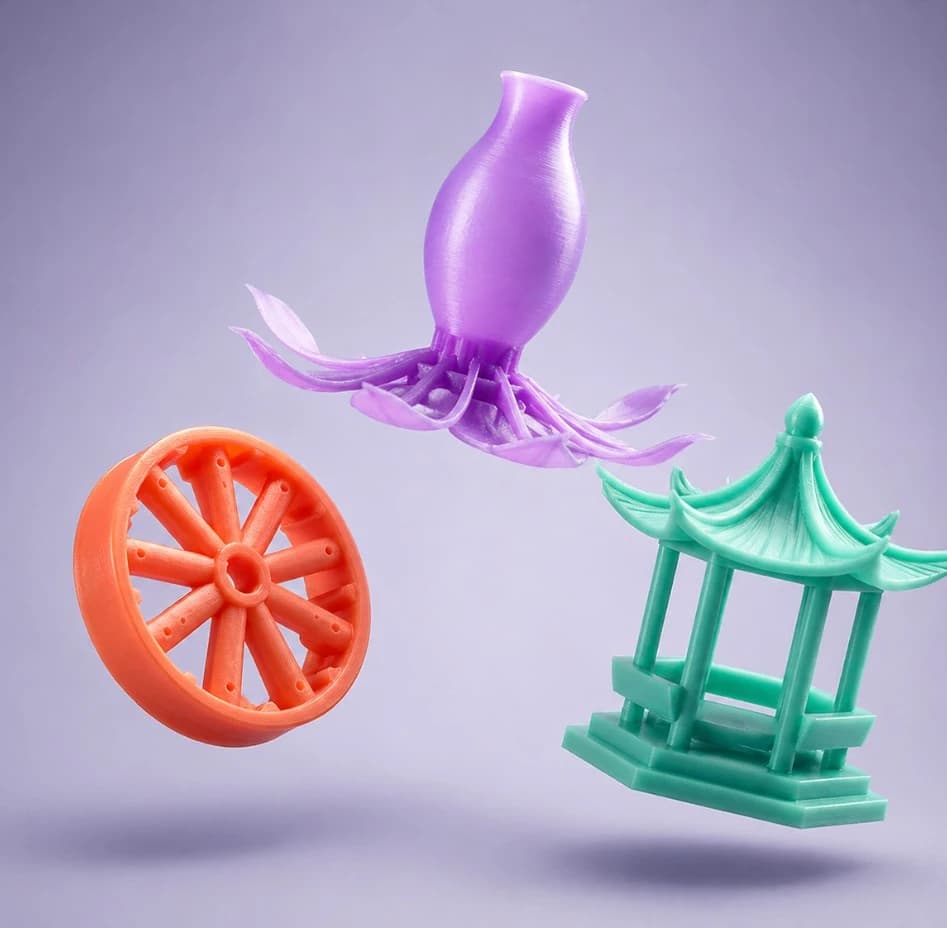
SLA: tolerance ±0.1mm; layer thickness 25–100μm; max build 300×300×400mm
SLS: tolerance ±0.2mm; layer thickness 100–180μm; max build 300×300×400mm
FDM: tolerance ±0.3mm; layer thickness 100–300μm; max build 500×500×500mm
Metal (DMLS): tolerance ±0.1mm; layer thickness 20–60μm; max build 250×250×325mm
Lead times: 1–2 days (FDM), 2–3 days (SLA/SLS), 5–10 days (metal)
Minimum order: 1 piece: no minimum
Available finishes: as-printed, sanded, primed, painted, dyed (SLS)
Our Works
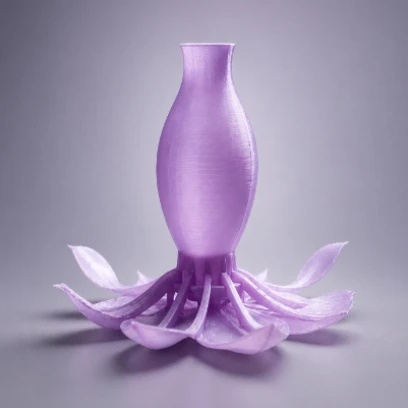
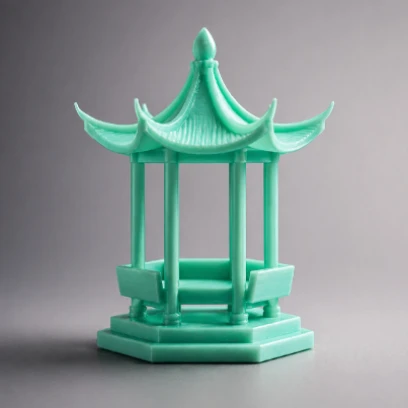
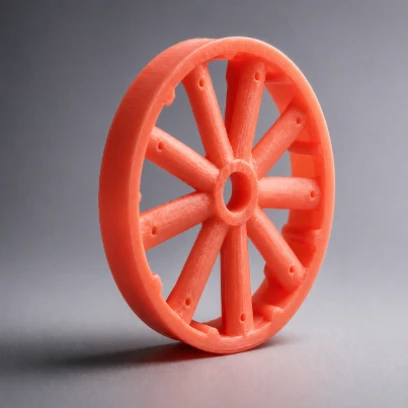
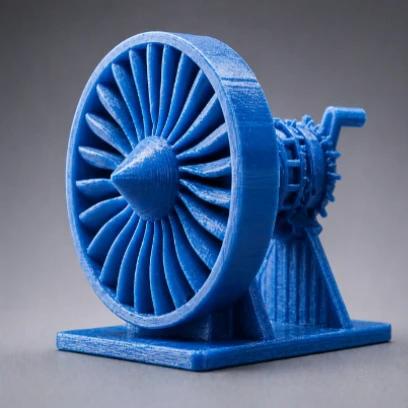
Industries We Serve
Ready to Print Your Part?
Upload your STL or STEP file for a fast quote. Process and lead time confirmed within 24 hours.