
Plastic Injection Molding
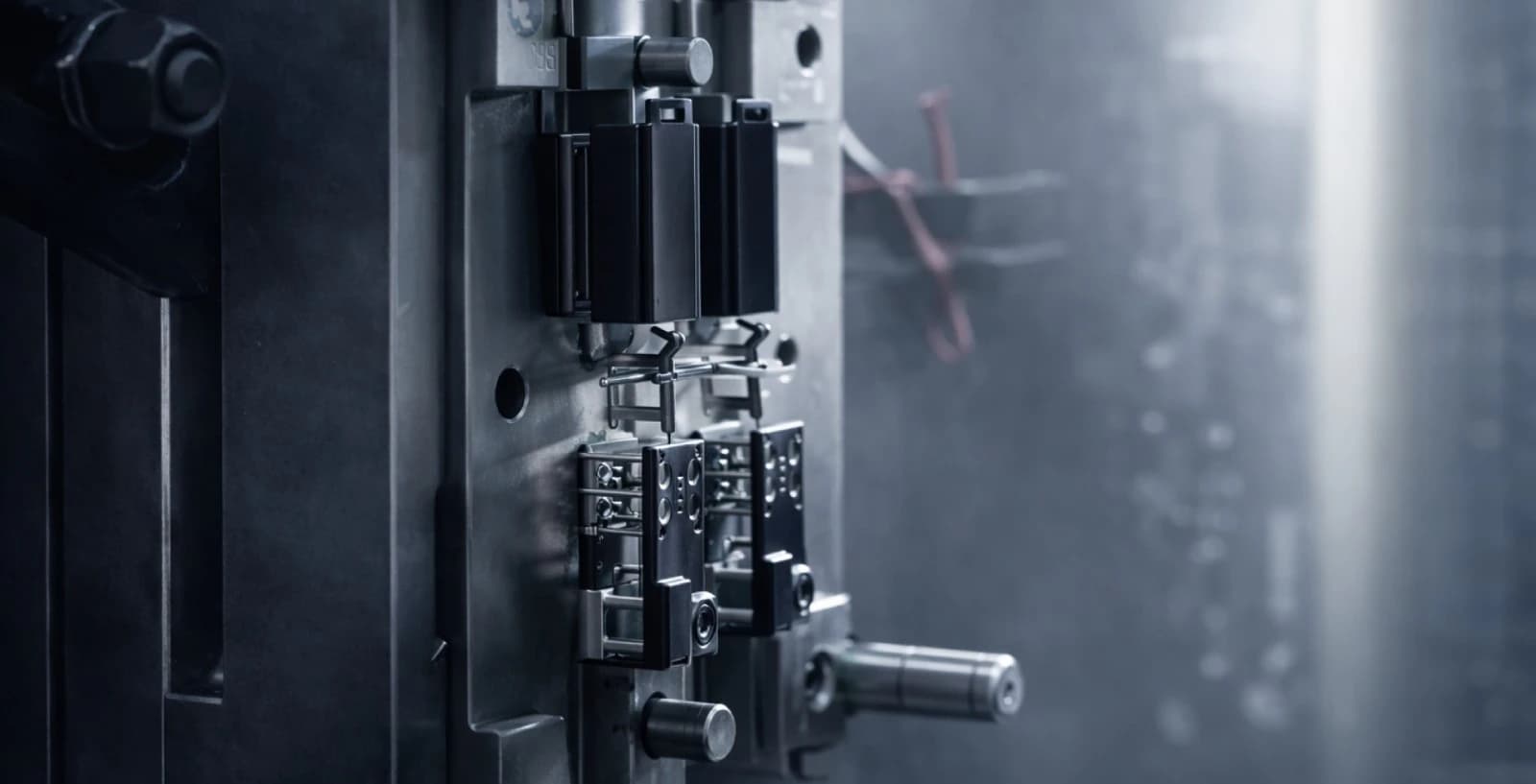
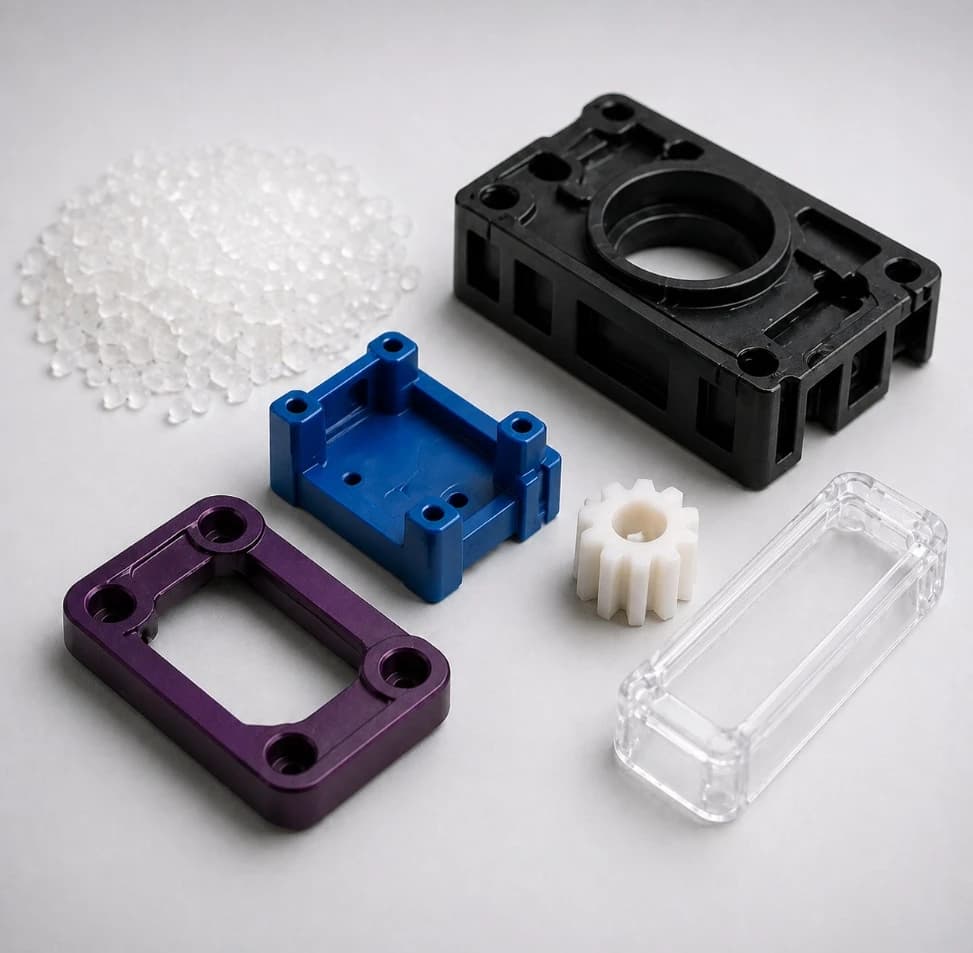
Plastic injection molding forces molten thermoplastic material into a precision mold under high pressure. The material cools and solidifies inside the mold cavity to form the finished part. The mold opens and the part is ejected. Each cycle produces one or more identical parts.
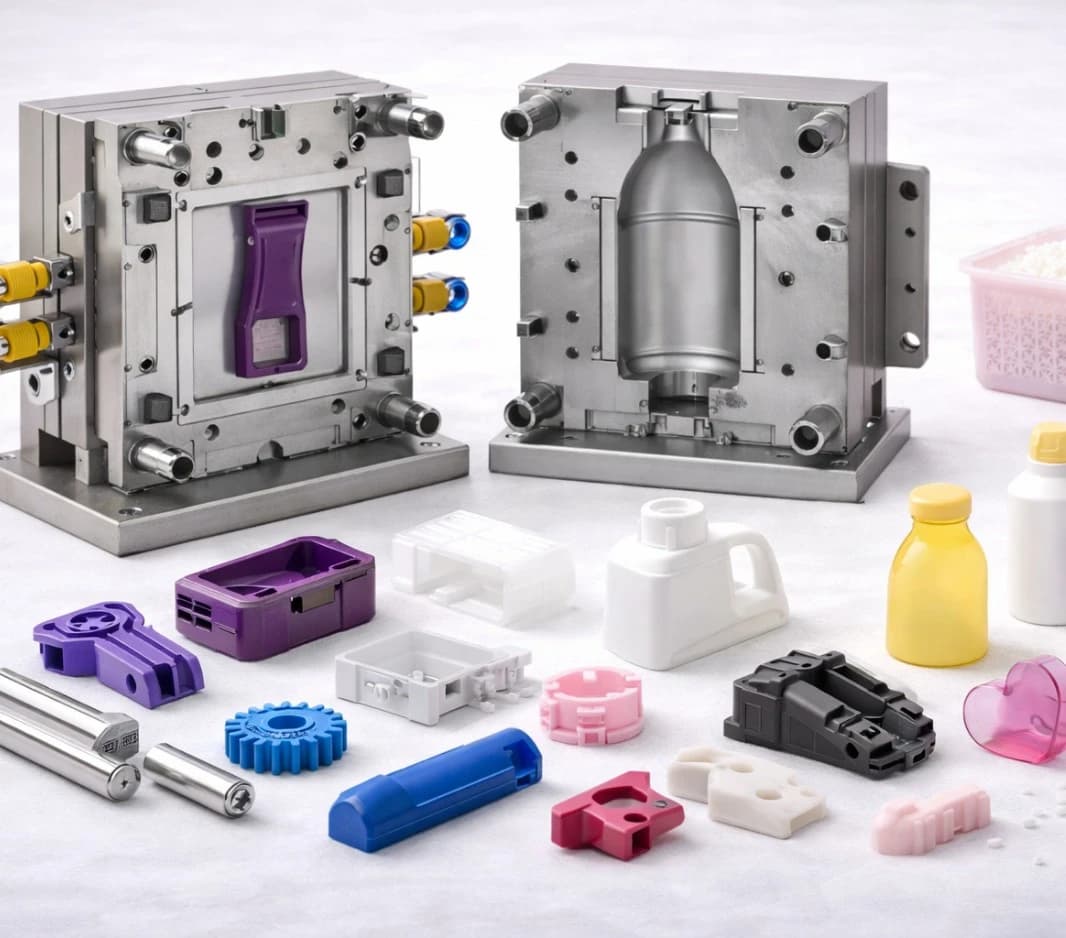
The process is suitable for any volume — from small prototype batches using aluminum soft tooling to large production runs using hardened steel molds. Part complexity, wall thickness, and material selection determine cycle time and tooling requirements.
What Sets Us Apart
Engineering-Led Manufacturing
In-house tooling and production
molds CNC machined and injection molding run at our Shenzhen facility. No subcontracting.
Scalable from prototype to volume
aluminum soft tooling for early batches, P20 and H13 steel tooling for long-run production.
Broad material capability
ABS, PP, PE, PC, Nylon, POM, TPU, TPE, and engineering plastics all supported.

ISO 9001:2015 certified
full dimensional inspection, material traceability, and batch records on every order.
Our Injection Molding Capabilities
Standard Injection Molding
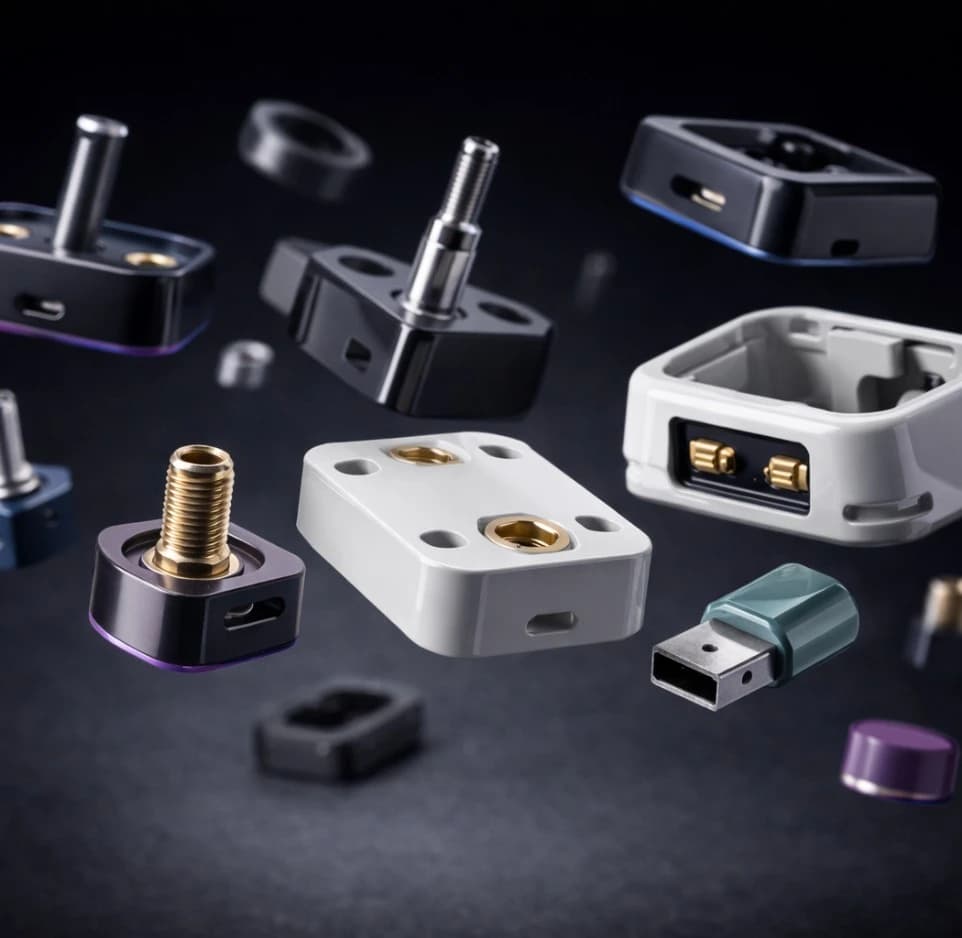
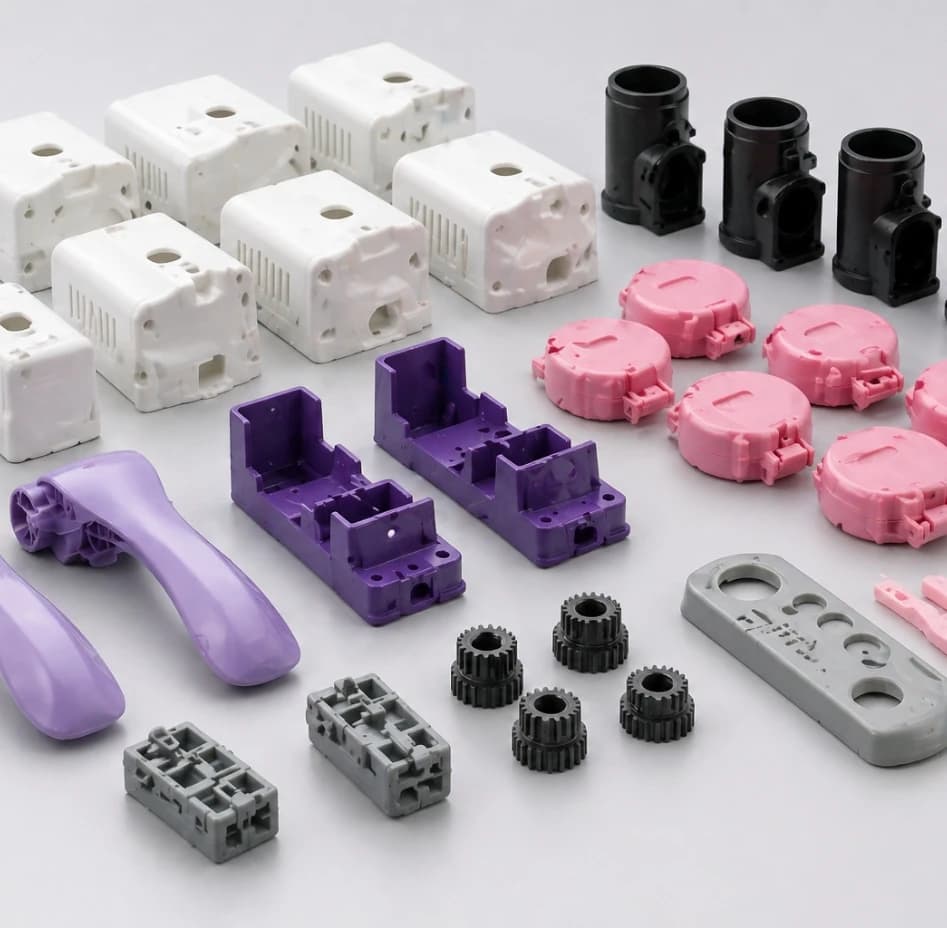
Single-cavity and multi-cavity tooling for thermoplastic parts. Suitable for housings, brackets, enclosures, connectors, and structural components. Available with aluminum tooling for short runs and P20/H13 steel tooling for production volumes.
Insert Molding
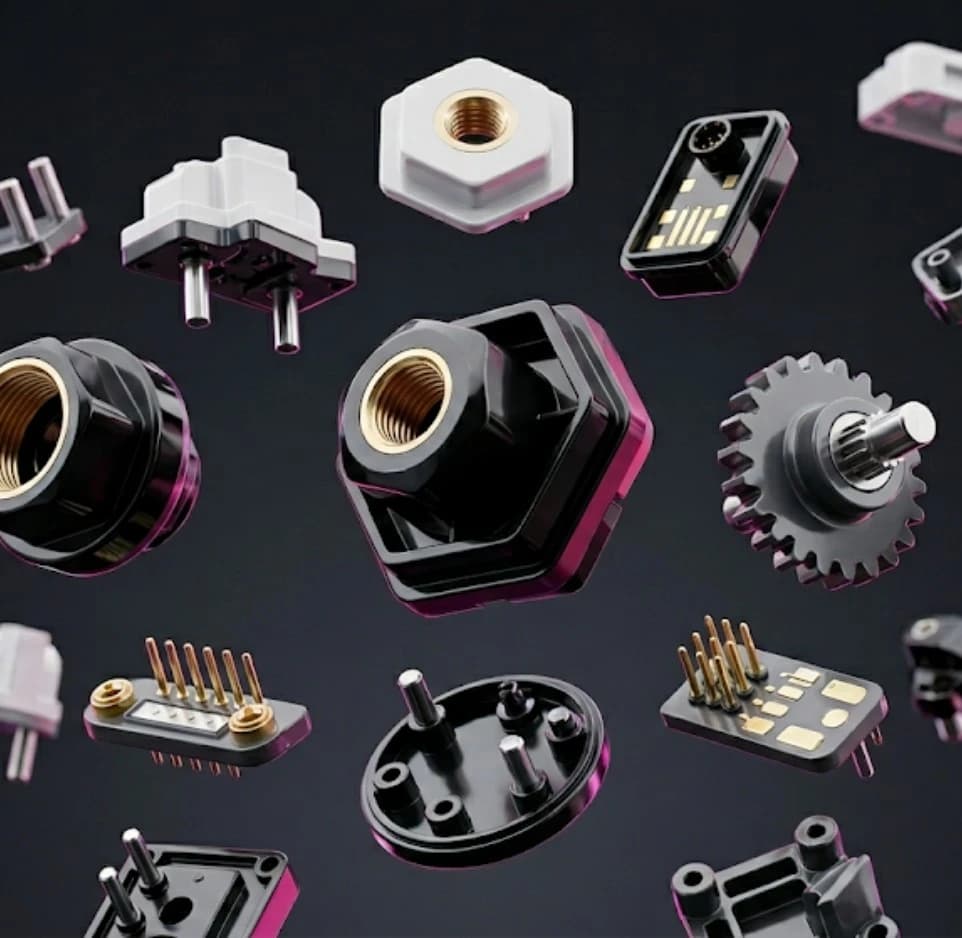
Metal inserts (brass, stainless steel, aluminum) are placed into the mold prior to injection. The plastic material flows around the insert and bonds to it during. Suitable for threaded inserts, electrical contacts, and reinforced structural components.
Overmolding
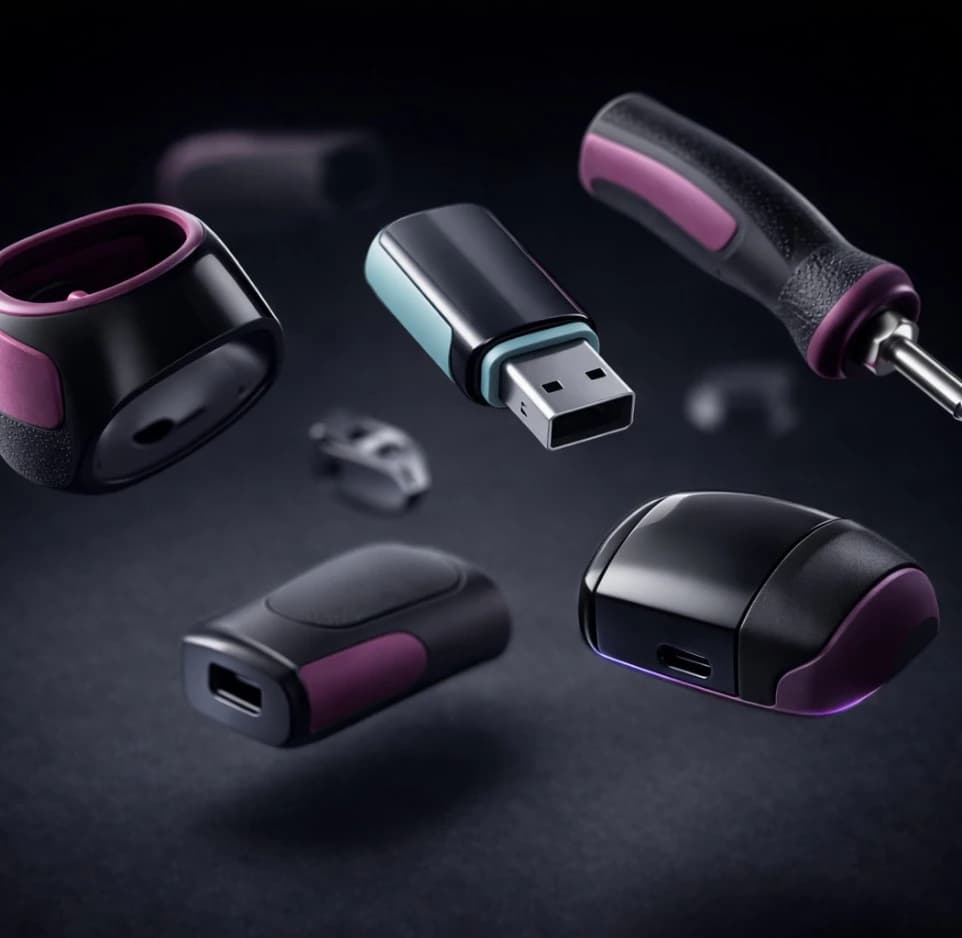
A second material is molded over an existing substrate — a pre-molded plastic part or a metal component. Used for soft-grip handles, sealing interfaces, two-tone aesthetics, and vibration-damping parts.
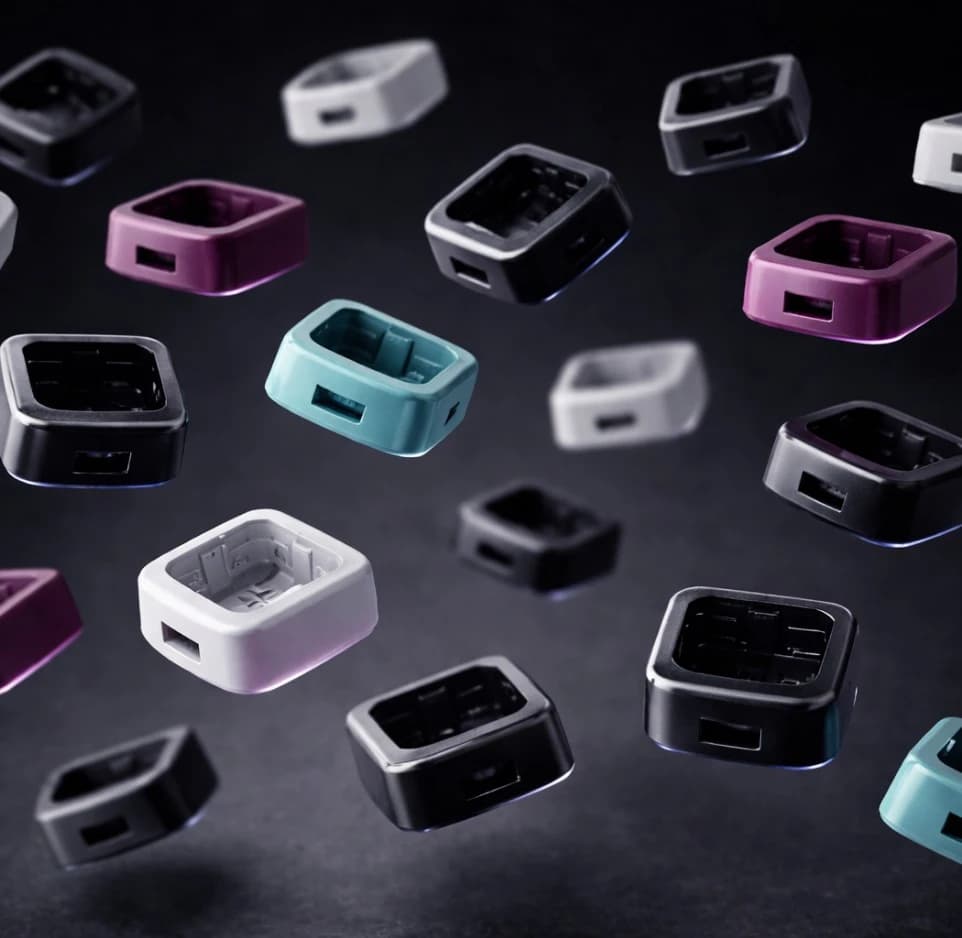
Multi-Cavity Tooling
Multiple identical cavities within a single mold reduce per-piece cost at higher volumes. Available from 2 to 16 cavities depending on part size and volume requirements.
Our Process
STEP 1
DFM Review
Design for manufacturability assessment on production design files.

STEP 2
Production Tooling
Steel molds or dies fabricated and first-article trials run (T1, T2).
STEP 3
Pilot Production
Initial production batch produced with full dimensional inspection report.

STEP 4
Customer Approval
PPAP or first-article inspection report submitted and signed off.

STEP 5
Mass Production
Ongoing production with scheduled batch inspection and SPC monitoring.
STEP 6
Program Support
Tooling maintenance, engineering changes, and supply management throughout program life.
Materials
Material specifications depend on the selected production process. Full material tables are available on the Plastic Injection Molding, Die Casting, Blow Molding, Compression Molding, and LSR Molding service pages.
The Output
Volume range: 10,000-1,000,000+ parts per year
Production tooling life: 500,000-1,000,000+ shots (hardened steel)
Tooling lead time: 4-6 weeks (injection mold); 3-5 weeks (die casting die)
Production batch lead time: 10-20 days after tooling approval
Quality: ISO 9001:2015, full batch records, PPAP documentation available
Industries We Serve
Scale Your Production with Confidence.
Share your volume requirements and design files. Our team confirms tooling lead time and unit cost.