
← Knowledge Base
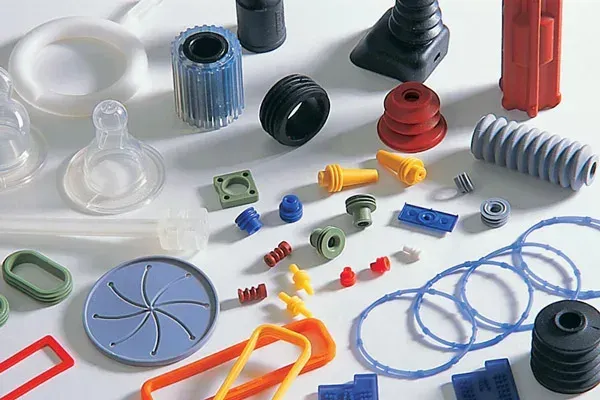
Medical Silicone Injection Molding: Process and Benefits
Medical silicone injection molding is a precision manufacturing process used to produce durable, flexible, and biocompatible components for healthcare products.
Published 2026-10-28
What's inside
- What Is Medical Silicone Injection Molding?
- Why Silicone Is Used in Medical Devices
- How the Medical Silicone Injection Molding Process Works
- Common Applications of Medical Silicone Injection Molding
- Important Quality and Regulatory Considerations
- Common Challenges and How to Address Them
- Choosing a Medical Silicone Injection Molding Partner
- Conclusion
Who it's for
- Medical device designers and engineers
- Product developers evaluating LSR components
- Quality and regulatory professionals
- Procurement teams selecting molding partners
About this resource
Medical silicone injection molding is a precision manufacturing process that uses liquid silicone rubber (LSR) to produce durable, flexible, and biocompatible healthcare components such as seals, valves, wearable-device parts, and surgical instruments.
Key topics covered
- What medical silicone injection molding is and how it differs from thermoplastic molding
- Why silicone is used in medical devices
- The main stages of the LSR injection molding process
- Common applications across healthcare product categories
- Quality, regulatory, and sterilization considerations
- Typical molding challenges and ways to address them
- How to choose a qualified medical silicone molding partner
The article emphasizes that successful production depends on thoughtful part design, appropriate material selection, controlled processing, and documented evidence that the finished component is suitable for its intended medical use.
Medical Silicone Injection Molding: Process and BenefitsGuide · FreeDownload PDF